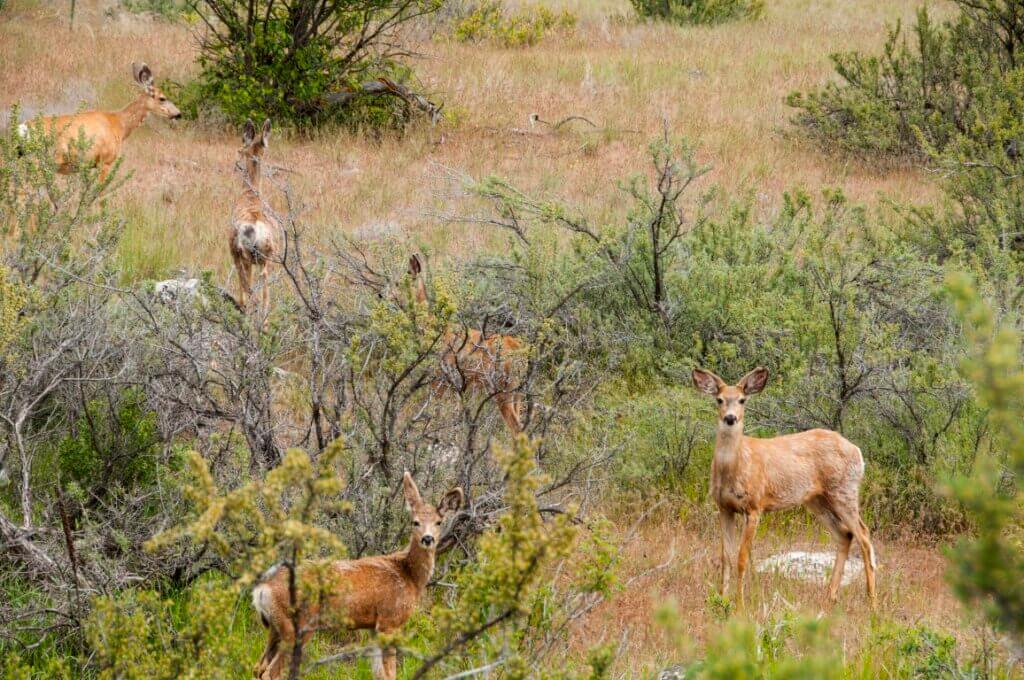
A herd of deer in the forest

How to Write Grant Applications for Conservation Funding

Getting funding for conservation projects can feel pretty challenging. Grant funding opportunities help solve this problem and turn good ideas into sustainable conservation projects across Texas. Still, writing grant proposals also isn’t always the easiest. While our grant application here at Las Huellas is pretty straightforward, many require complex data, precision language, and an array of supporting documentation. The good news is that there are tips you can follow to make writing grants a little simpler. Keep reading to check out our guide on how to write grant applications for would-be grant writers, and keep in mind that our own Las Huellas grant funding is available for South Texas wildlife conservation.

Key Takeaways

  • Grant writing is a learnable skill that opens doors to increase the funding available for conservation projects.
  • A successful grant proposal tells a clear story about conservation needs and shows your ability to deliver sustainable results.
  • Be sure to cover all key elements of your proposed project that are required by the application, and review and revise your draft as needed.
  • Las Huellas offers scholarships and grants with a simple application process that’s designed to support Texas wildlife conservation efforts.

1. Research Funding Agencies 

Successful grant writing starts with finding the perfect fit between your project and the funding agency’s values. Take note of the language used in the agency’s materials, and notice what problems they care about most. When you understand what matters to a funding agency, you can show them how your work matches their mission.  This research step helps you spend your efforts on grant programs that actually fit your project.

2. Understand What Makes Successful Grant Proposals

Strong grant proposals often share certain qualities that make them stand out to grant committees. These proposals tell a clear story about a problem and how to solve it. Successful grant applications also show why the work matters and who it will help. Applicants should organize information and present their case. Balance facts with emotion, showing both data and the real impact on animals and people.

3. Start With a Strong Cover Letter

Your cover letter is the first thing grant committees see, so make it count. A good cover letter introduces your proposal project in just one or two pages. When writing your letter,  mention your main goal right away in the first paragraph and explain briefly how your work helps support conservation efforts. Remember to keep sentences and wording clear throughout your cover letter. It should make readers excited to learn more about your project. 

4. Write Your Project Goals Using Concise Language

Grant committees read many proposals every funding cycle, sometimes in the dozens or even hundreds. You can help the committee understand yours quickly by using concise language throughout your grant application. Write simpler sentences that get straight to the point without extra words. Concise language shows you know exactly what you want to do and helps grant committees picture your success.

5. Include All Common Elements Required

Every successful grant application has common elements you must include to be considered. These often include a project summary, goals, methods, budget, and timeline. Many grants also ask for details about your organization, your team, and how you will measure success. Make a checklist of everything the particular grant requires before you start writing. Missing even one common element can disqualify your proposal, no matter how good the rest of it is. Read the application guidelines carefully to ensure you catch every requirement.

6. Create a Detailed Project Budget

Your project budget shows exactly how you’ll spend the grant funding if you receive it. List every cost clearly so grant committees can see where the money will go. You can also include staff salaries, supplies, equipment, and travel expenses. Don’t forget to include indirect costs like rent, utilities, or administrative support if the grant program allows it.  Many grants have strict budget rules about what they will and won’t pay for. Research these rules carefully before making your budget so you don’t ask for things the funding body or committee can’t give. 

7. Develop a Clear Project Timeline

A project timeline shows when things will happen during your conservation project. Grant committees want to see that you can finish the work in a reasonable amount of time. So, create a schedule that breaks your project into smaller steps and milestones. Ensure your timeline is realistic and gives you enough time to do quality work. Rushing through important conservation tasks can raise concerns for grant committees. 

8. Gather Strong Supporting Materials

Supporting materials help to prove that your project is real and ready to succeed. These materials may include letters from partners, photos of the project area, maps, or wildlife data. If your work is in South Texas, include details about local wildlife needs and challenges. Organizing these materials neatly in an appendix or separate section allows the grant committee to find information easily. 

9. Explain Your Methods Clearly

The methods section shows exactly how you’ll do your conservation work from start to finish. Explain your approach in simple steps that anyone can follow, even if they’re not experts.  If you’re doing a research proposal, describe how you’ll collect information, what tools you’ll use, and how you’ll analyze what you find. For a conservation project, you can explain how you’ll protect wildlife or habitats, which techniques you’ll use, and why you chose those specific approaches.

10. Show Anticipated Outcomes and Impact

What will change because of your project? Anticipated outcomes are the results you expect to see when your work is done. Be specific about impact, so the grant committee can picture your success. Use numbers when possible to make your impact concrete and understandable.

11. Include a Literature Review When Needed

Some grant applications, especially research proposals, ask for a literature review. This section shows you what others have learned about your topic through their studies and projects. Summarize key studies that connect to your work and explain how your project builds on what is already known. Always check the grant rules to see if this section is needed.

12. Review and Revise Multiple Times

The grant writing process doesn’t end when you finish your first draft. Take time to review it with fresh eyes and a clear mind. Look for ways to make your language more concise and your arguments stronger. Check that all common elements are included and that your budget and timeline are correct.  You can ask someone else to read your proposal, ideally someone who knows about conservation but wasn’t involved in writing it. They’ll catch mistakes you missed and can tell you if something is confusing or unclear. 

Access Conservation Funding Through a Las Huellas Grant Proposal

At Las Huellas, our grant programs support important work protecting Texas wildlife and natural spaces. We understand that complicated applications can stop good projects from moving forward. That’s why we’ve created a relatively simple online application that focuses on your project and its impact. We want to hear about your conservation goals and how you’ll achieve them.  Whether you’re an experienced wildlife conservationist or just starting your conservation education journey, we encourage you to apply. Las Huellas is proud to support diverse conservation efforts and conservation education in South Texas.

Ready to make a difference or bring your conservation efforts to life? Check out Las Huellas’ grant application to support your conservation goals.