
The Rio Grande Valley (RGV) in South Texas has a wide variety of animals and wildlife. Its location along the Rio Grande makes it a place where many different types of wildlife can thrive. To protect Rio Grande Valley animals and other species, the wildlife service, private landowners, and local communities play an important role.
Keep reading to learn more about RGV wildlife, its ecosystem, and how private landowners can help protect it.
Key Takeaways
- The Rio Grande Valley is home to a variety of wildlife, including fish, birds, mammals, amphibians, and reptiles.
- To protect these species and their habitats, several wildlife refuges have been established across the region to provide safe spaces for feeding, nesting, and migration.
- Non-profit organizations like Las Huellas play a key role in conservation. Through training, habitat restoration, and community education, we help keep South Texas wildlife and ecosystems preserved.
RGV Wildlife
The Rio Grande Valley is home to an incredibly biologically diverse ecosystem. Its unique location in southern Texas creates the perfect environment for a wide range of wildlife. From rare wildcats to colorful tropical birds, the valley supports an impressive mix of species. Here are some of the animals you can find in this wildlife corridor:
Fish
- Tilapia
- Catfish
- Red drum
- Rio Grande perch
- Largemouth bass
Birds
- Green jay
- Wild turkey
- Chachalaca
- Harris’s hawk
- Altamira oriole
- Great kiskadee
- Tropical parula
- Crested caracara
Mammals
- Ocelot
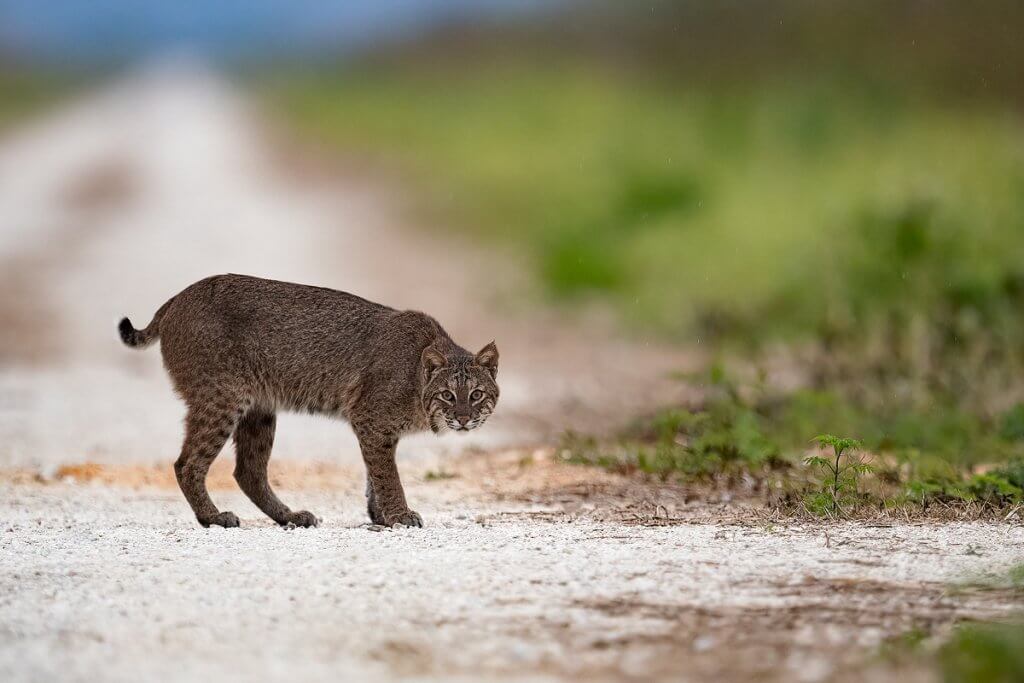
- Bobcat
- Coyote
- Javelina
- White-tailed deer
- Mexican free-tailed bat
- Eastern cottontail rabbit
Amphibians and Reptiles
- Texas spiny lizard
- American alligator
- Texas horned lizard
- Rio Grande chirping frog
- Western diamondback rattlesnake
The RGV’s Many Wildlife Refuges
Wildlife refuges are federally or state-managed land set aside to protect native species and their habitats. In the RGV, these refuges provide safe breeding grounds, feeding areas, and stopover points for migratory birds and countless other species. They also offer visitors a chance to experience nature up close through trails and guided tours. Below are some of the most notable wildlife refuges in the region:
Santa Ana National Wildlife Refuge
Santa Ana National Wildlife Refuge is located near Alamo, Texas. It protects over 2,000 acres of riparian forest, wetlands, and subtropical habitat. San Ana is considered one of the most biodiverse units in the entire National Wildlife Refuge System. It’s home to more than 400 bird species, dozens of butterfly varieties, mammals like bobcats and javelinas, and even American alligators.
Laguna Atascosa National Wildlife Refuge
Laguna Atascosa spans roughly 120,000 acres near the Gulf Coast. This refuge has a mix of coastal prairie, thornscrub, mudflats, and freshwater lagoons. It’s one of the few remaining habitats in the U.S. where the endangered ocelot still survives, and it’s internationally recognized for its birdwatching opportunities. The Laguna Atascosa refuge has also been recorded to have over 400 species of birds.
Lower Rio Grande Valley National Wildlife Refuge
The Lower Rio Grande Valley National Wildlife Refuge comprises more than 100 separate tracts spread along the Rio Grande. Its mission is to link disconnected natural areas for animals to move, feed, and reproduce. This is especially important for migrating birds and animals that need wide spaces to survive.
Bentsen-Rio Grande Valley State Park
Bensten-Rio Grande Valley State Park is located off Bentsen Palm Drive in Mission, Texas. This park serves as the headquarters of the World Birding Center, and it offers excellent wildlife watching opportunities throughout the year. It’s also home to javelinas, bobcats, and a wide variety of butterflies. Visitors can enjoy tram tours, hiking and biking trails, and other wildlife-related activities.
The RGV Ecosystem
During the summer months, South Texas experiences extremely hot and dry conditions due to its distinctive semi-arid climate. July and August are usually the hottest months of the year. Winters in this region are usually mild, supporting the area’s unique wildlife. From time to time, moisture from the Gulf of Mexico brings short periods of rain. This rainfall helps nourish native plants and keeps the local ecosystem thriving, even during drier months.
Along the coastline, the climate shifts to a more subtropical pattern, thanks to steady Gulf breezes that help regulate temperatures and add humidity. Further inland, particularly in the Lower Rio Grande Valley, the air becomes much drier. This part of the region receives an average of 16 to 28 inches of rainfall annually, primarily during the warmer months. While thunderstorms and tropical systems can bring rain occasionally, drought conditions are common.
How Private Landowners Can Work To Protect RGV Wildlife
A large portion of the remaining native habitat in the Grande Valley lies on privately owned land. This means private landowners have an important role to play in conservation. As a landowner, you can help protect wildlife by:
Preserving Native Habitats
To support local wildlife and protect natural systems, private landowners can preserve native brush, woodland, and wetland areas on their property. These habitats provide essential food and shelter for native species, including well-known South Texas wildlife.
Planting Native Species
To create a more wildlife-friendly landscape, private landowners can plant native trees and shrubs. These species are well adapted to the region’s dry conditions and attract pollinators, birds, and game animals.
Joining Conservation Programs
Private landowners can also join conservation programs like the Texas Parks and Wildlife Landowner Incentive Program. These programs provide free guidance and professional insights, as well as, in some cases, financial support for managing land in a way that benefits both wildlife and landowners.
Avoid Harmful Land Practices
To maintain a healthy environment, landowners can reduce the use of pesticides, avoid overgrazing, and limit land clearing. These practices help protect native plants, improve soil quality, and protect the land for future use.
Support Rio Grande Valley Wildlife Conservation Efforts
Rio Grande Valley wildlife is deeply affected by land development, drought, and habitat loss. These changes threaten the survival of native species and the health of local ecosystems. That’s why organizations like Las Huellas work to protect the land and the animals and plants that rely on it.
At Las Huellas, we make Texas wildlife conservation a top priority through education, outreach, and hands-on programs. We teach communities about habitat restoration, the importance of turkeys to the environment, and how to support local ecosystems through ethical hunting.