
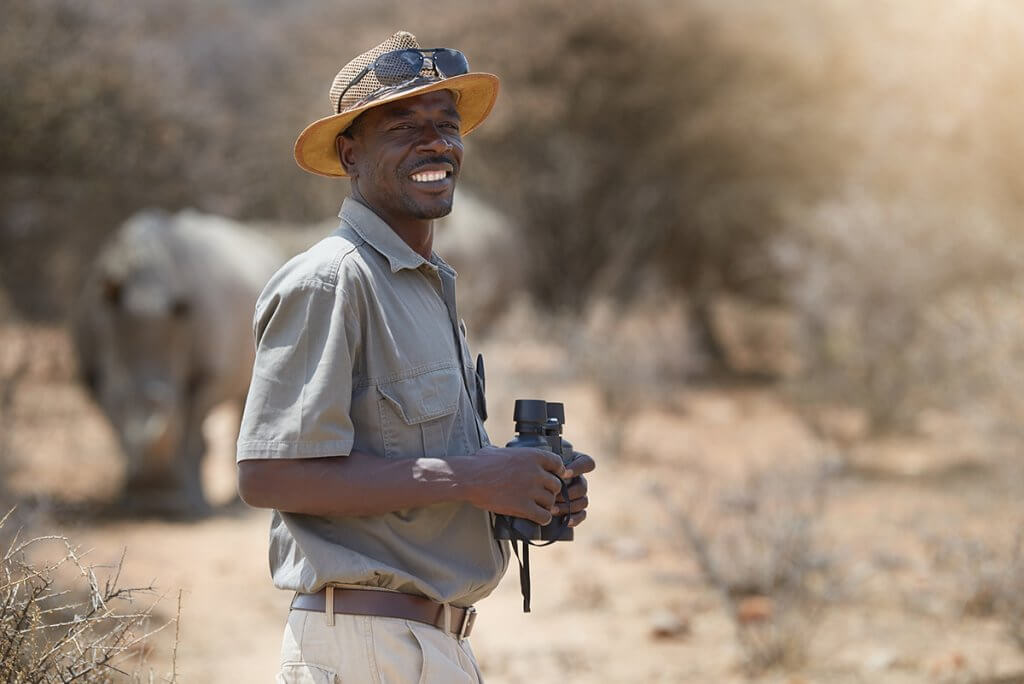
From the air we breathe to the food we eat, nature conservation plays a huge role in our daily lives. But have you ever wondered what conservation actually means? The meaning of conservation goes beyond just protecting animals. It also involves taking care of energy, water, and land.
When you focus on recycling, using less energy, and protecting wildlife, you’re practicing conservation. Keep reading to learn about conservation and how you can become an active part of the process.
What Does Conservation Mean?
Conservation is the protection and maintenance of natural resources, wildlife, and ecosystems to prevent them from decaying or getting damaged. This process is necessary because, without it, species can become endangered and natural habitats can be lost. Conservation seeks to ensure the continued balance between the natural environment and the demands we place upon it as a society. Conservation practices are essential for the ongoing preservation of both wildlife and human life.
Conservation action comes in many forms, but a few key examples include combating the threats of climate change, establishing protected areas and species, and implementing sustainable practices.
What Do Conservationists Do?
Conservationists are individuals dedicated to protecting the environment and preserving natural resources. Their work involves a variety of activities focused on maintaining the balance of ecosystems. Here are a few things conservationists do:
- Push for changes in laws and policies that put wildlife at risk
- Work to stop threats to wildlife habitats, such as wildfires and large-scale deforestation
- Speak up about the historical and cultural value of Texas wildlife to help prevent species from disappearing
- Teach people why protecting wildlife matters through awareness campaigns and reports on conservation progress
- Gather funds and build partnerships to tackle urgent wildlife issues in the community
- Keep track of wildlife numbers and create plans to protect different species
Why Is Conservation Important?
Aside from balancing the ecosystem, conservation also has direct benefits for people and communities. Here are some reasons why conservation is important:
- Preserve natural habitats
- Protect endangered species
- Protect the genetic diversity of plant and animal life
- Maintain the beauty of natural landscapes
- Reduce pollution to create cleaner air, water, and environments
- Lessen the effects of environmental and human-caused disasters
- Sustain essential natural processes that benefit both humans and wildlife
Types of Conservation
Whether it’s protecting wildlife, restoring forests, or managing water sources, conservation efforts help maintain the balance of nature for future generations. To maintain this balance, there are different types of conservation that focus on specific areas.
Water Conservation
Water is one of the most important natural resources on Earth. Every living thing, including wildlife and human life, depends on it to survive. However, water sources are often polluted, overused, and affected by climate change. These challenges also affect the natural balance of water vapor, which causes water shortages and unpredictable weather.
Because of these issues, water conservation is essential. It focuses on protecting water sources and ensuring they are used responsibly. Without water conservation, water will become increasingly scarce, potentially leading to climate disaster.
Wildlife Conservation
Wildlife conservation protects animals and their natural habitats. This practice is important because every species plays a role in keeping ecosystems balanced. If certain species go extinct, food chains would break down, and nature would lose its ability to sustain life. By protecting wildlife, we are also helping to maintain biological diversity, which includes everything from predators to tiny organisms.
Land Conservation
Land conservation focuses on preserving forests, wetlands, and other natural areas. It helps prevent soil erosion and protects water sources. The land is home to natural wildlife and provides essential resources for human life. However, when land is cleared for buildings, farming, or factories, it makes it harder for nature to thrive. To help keep ecosystems intact, protected areas like national parks should be set aside. These areas stay safe from destruction, which gives plants and animals a place to thrive.
Energy Conservation
Energy conservation reduces waste by using power more efficiently. Electricity, fuel, and other energy sources come from the Earth’s natural resources. But some, like coal and oil, are limited and create pollution. Excessive energy use contributes to climate change and damages the environment.
Simple actions, such as switching off unused lights, choosing energy-efficient appliances, and using renewable sources like solar or wind power, help conserve energy. These efforts lower pollution, protect resources, and make energy more available for the future.
How Can I Become Involved in Texas Conservation?
Everyone can play a role in keeping Texas wildlife and habitats safe. Whether it’s through small daily actions or bigger commitments, you can practice conservation and help preserve nature for future generations. Here are some ways to get involved:
- Use Less and Recycle More – Reducing waste, reusing items, and recycling helps to keep the environment clean. With these actions, you’re protecting wildlife from pollution and preserving Texas’s natural beauty.
- Eat Less Meat – You don’t have to give up meat, but you can try adding more vegetarian meals to your diet while consuming meat responsibly. This small change helps to reduce the pressure that large-scale farming places on natural habitats.
- Practice Responsible Hunting – Hunting should be done responsibly to keep animal populations balanced. To protect wildlife, you can follow local regulations and practice responsible hunting.
- Respect Nature – Be mindful of how you treat the environment. Avoid littering, stay on marked trails, and don’t disturb animals in their natural habitat. It’s also important to teach kids about conservation so they grow up knowing how to care for nature.
- Speak Up for Conservation – Laws play a big role in protecting the environment. So, be sure to contact local leaders and support conservation policies to ensure Texas wildlife and natural areas remain protected.
- Learn About Texas Conservation – The more you know, the more you can help. Reading about local wildlife, sharing what you learn, and finding ways to practice conservation in your daily life can make a real difference.
- Donate or Partner with Las Huellas – At Las Huellas, we work to protect wildlife and conserve natural habitats in South Texas. To support our mission, you can donate, volunteer, or partner with us on conservation projects.
What Is Las Huellas’s Role in South Texas Wildlife Conservation?
Las Huellas plays an important role in protecting and preserving South Texas wildlife. We are dedicated to conservation efforts that help maintain natural habitats, support local species, and educate the community about the importance of wildlife protection. Las Huellas also provides funding, partnership support, and more to wildlife conservation groups. We’re proud to provide grants and scholarships to students studying conservation in South Texas.
Support Texas Wildlife Conservation by Partnering With Las Huellas
Conservation includes more than just turning off the faucet and unused lights. It also includes taking action to preserve natural resources and landscapes for future generations. One way you can make a difference in preserving natural resources is by supporting organizations like Las Huellas.
At Las Huellas, we work to protect and restore natural habitats, educate the public, and promote responsible Texas wildlife conservation efforts. Whether by donating, volunteering, or spreading awareness, you can help strengthen the meaning of conservation and ensure that Texas’s wildlife remains protected for years to come.