
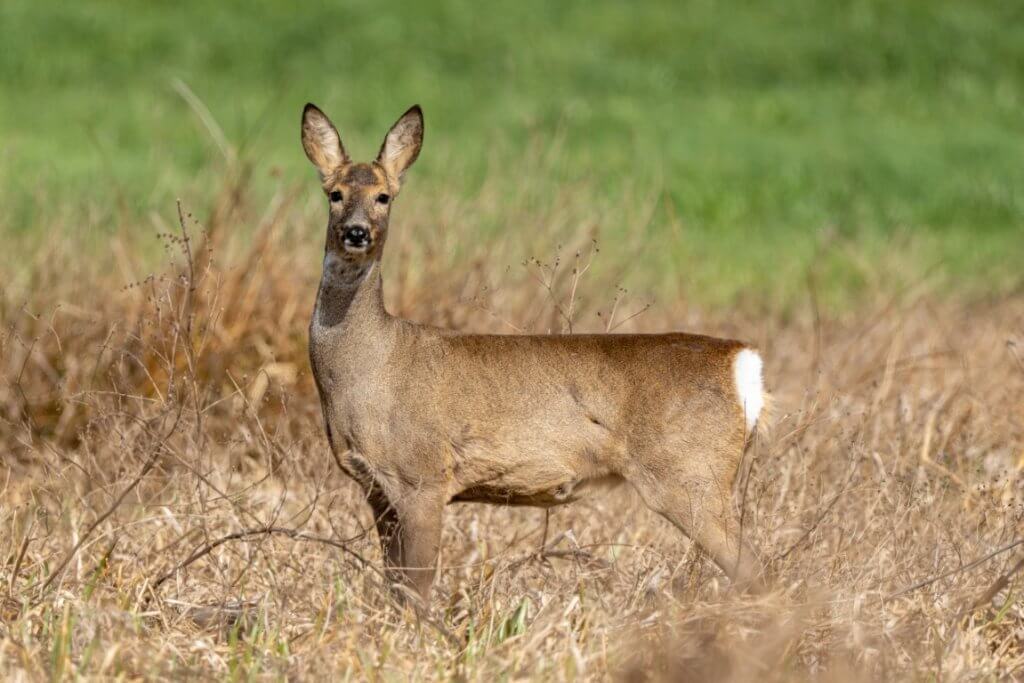
As the deer hunting season gets underway, it’s the perfect time to go over a few deer hunting tips to help you locate and harvest deer successfully. Whether you’re targeting a whitetail or a mule deer, understanding their behavior and preparing properly can make your time in the field more rewarding.
Keep reading to learn about some deer hunting tips for beginners and pros in Texas.
Key Takeaways
- You should focus on deer movement patterns and reliable food sources like oak trees to spot deer.
- Always wear scent-free hunting clothes to mask your odor and keep the deer from detecting you.
- Deer season is already underway for some types of deer and certain regions of Texas.
- Before you go hunting, take some time to understand deer hunting regulations to avoid fines or legal issues.
Deer Hunting Tips
Deer hunting takes skill, patience, and a solid understanding of how deer behave through the seasons. Whether you’re heading out at sunrise or tracking a big buck in the late season, knowing the right technique can help. Below are some deer hunting tips to guide you:
1. Study Deer Movement Patterns
The first step is to pay attention to how local deer move. Watch deer trails and note the areas where they spend their time. Doing this will make it easier to have a successful hunt because deer usually follow the same routes.
2. Learn to Read Deer Sign
Learning to read deer signs is important for spotting where deer are active. Look for tracks, rubs on trees, scrapes on the ground, and droppings, as these clues can tell you deer are nearby.
3. Choose the Right Time to Hunt a Big Buck
When it comes to deer hunting, timing often determines how successful your hunt will be. Typically, deer are most active in the early mornings and late evenings as they move between feeding and bedding areas. For better results, try hunting in the mornings during the cool hours before sunrise.
4. Focus on Reliable Food Sources in Both Early and Late Seasons
Deer feeding habits change with the seasons. In the early season, they often eat acorns, the nuts of oak trees, and other nearby plants. Later in the season, they may consume crops such as corn or soybeans from agricultural land. Knowing what they eat can help you decide where to put your tree stand or trail camera.
5. Scout Before the Season
Before the hunting season officially starts, spend time scouting the land. Look for deer beds, feeding areas, trails, and signs like tracks and rubs. Doing this will help you identify the best spots for tree stands.
6. Use Grunt Calls at the Right Time
This is one of the most important deer hunting techniques you can use to attract bucks, especially during the rut. Make your calls carefully to sound like a real deer. If you use them too much, they may get suspicious.
7. Use Scent-Free Hunting Clothes
Deer have an incredible sense of smell; even the faintest human scent can send them running. So, when heading out on your hunt, you should wear scent-free hunting clothes. This will help mask your odor and keep you undetected for a longer period.
8. Use Trail Cameras to Monitor Deer Activity
Trail cameras are a great way to monitor local deer without disturbing the area. Place them near feeding spots, trails, and bedding areas to see which areas are most active.
9. Pick a Tree Stand With Natural Cover
Choosing a stand that blends in with the surroundings allows you to remain hidden while providing a clear view of deer movement. Consider natural cover, such as thick branches or shrubs.
10. Practice With Your Equipment Before the Hunt
Before the season, spend time practicing with your archery equipment or rifle. Shoot from different angles and distances to build confidence. Even if you’re experienced, practicing at a shooting range helps keep your skills sharp. Take a few shots from positions you plan to use while hunting, so you’re comfortable and steady when it counts. This is also a great chance to teach kids safe hunting practices if you plan to hunt with kids.
11. Pay Attention to Wind Direction
Deer can detect human scent from hundreds of yards away. Always hunt downwind of their trails and feeding areas. Even a slight breeze in the wrong direction can ruin your chances, so check wind conditions before heading to your stand.
12. Understand and Respect Local Regulations
Texas has specific hunting regulations that vary by county and species. It’s important to familiarize yourself with these rules, including bag limits, season dates, and legal hunting methods.
13. Target Stock Tanks and Small Ponds
Texas deer often rely on manmade water sources during dry spells or hot months. Hunting near stock tanks, small ponds, or seasonal water holes can be very effective, as deer will consistently visit these areas to drink.
14. Hunt Doe Strategically
While many hunters focus on big bucks, hunting female deer is important for managing the deer population and increases your chances of a successful hunt. Pay attention to doe bedding areas and areas where they feed or move with fawns.
When Is Deer Hunting Season in Texas?
The deer hunting season in Texas varies depending on the type of deer you plan to hunt. Antler restrictions and bag limits also differ by county, so it’s important to check local regulations before heading out. Here are the deer hunting seasons in Texas:
Mule Deer Hunting Season
- Archery-Only – The archery-only hunting season in the Panhandle is from September 27, 2025, to November 21, 2025; while in the Trans-Pecos region, it’s from September 27, 2025, to November 27, 2025.
- General Mule Deer – In the Panhandle, the season is from November 22, 2025, to December 7, 2025; while in the Trans-Pecos, it’s from November 28, 2025, to December 14, 2025.
Whitetail Deer Hunting Season
- Archery-Only – The hunting season for archery whitetail deer begins on September 27, 2025, and ends on October 31, 2025.
- Muzzleloader Whitetail – This season starts from January 5, 2026, to January 18, 2026.
- General Whitetail – In the North Zone, the hunting season starts on November 1, 2025, and ends on January 4, 2026; while in the South Zone, it continues until January 18, 2026.
- Special Late Whitetail – For the North Zone, the late season is from January 5 to January 18, 2026; and for the South Zone, it’s from January 19 to February 1, 2026.
- Youth-Only Whitetail – The early season for hunting deer is from October 24 to 26, 2025, and the late season is from January 5 to 18, 2026.
Deer Hunting Regulations
To protect healthy deer populations and promote ethical hunting, every hunter must follow the rules set by the Texas Parks and Wildlife Department (TPWD). Some deer hunting rules include:
Antler Restriction Regulation
Deer hunters are allowed to hunt legal buck deer, but must follow Texas’ antler restriction rules. This rule is meant to help protect young bucks and give them time to mature. A legal buck deer is one with either an unbranched antler or an antler spread wider than its ears.
Weapons Restrictions
Depending on the hunting season, only approved weapons can be used. Weapons such as rifles, shotguns, and bows must meet TPWD safety standards to promote humane and lawful harvests.
Bag Limits
To maintain healthy deer populations, Texas sets strict bag limits for every hunting season. Most hunters are allowed to take up to five deer, with a limit of no more than three bucks, but these limits can vary depending on the county.
Mandatory Harvest Reporting
Licensed hunters are required to report every deer they harvest. These reports help the TPWD track herd numbers and detect chronic wasting disease early. Be sure to tag your deer correctly and submit your harvest report within the required time.
Chronic Wasting Disease (CWD)
CWD is a contagious illness that affects both whitetail and mule deer. This disease causes them to experience extreme weight loss and odd behavior. To protect healthy herds, TPWD requires hunters in CWD zones to:
- Have every harvested deer tested for the disease
- Report each harvest through TPWD’s system and use a proper hunting license tag
- Avoid transporting certain parts of the deer, such as the head or spine, outside the zone until testing is complete
- Always confirm if your hunting area is within a CWD zone
- Follow all TPWD testing and reporting guidelines
Other Regulations
For hunters planning to hunt on private land, it’s important to get permission from the landowner, hold a valid Texas hunting license, and tag every deer harvested. Failing to comply with these laws can result in fines or the loss of hunting privileges.
Keep These Deer Hunting Tips in Mind When Hunting Whitetail Deer in Texas
Following the deer hunting tips listed above can improve your chances of a successful hunt. It’s also important to stay up to date with local hunting regulations in order to stay safe and fully compliant in the field.
If you’re looking to make the most of your time outdoors, Las Huellas offers resources and community programs focused on hunting and wildlife conservation in South Texas, as well as supporting a range of South Texas wildlife conservation initiatives. You can also partner with us to support the long-term health of Texas deer populations.