
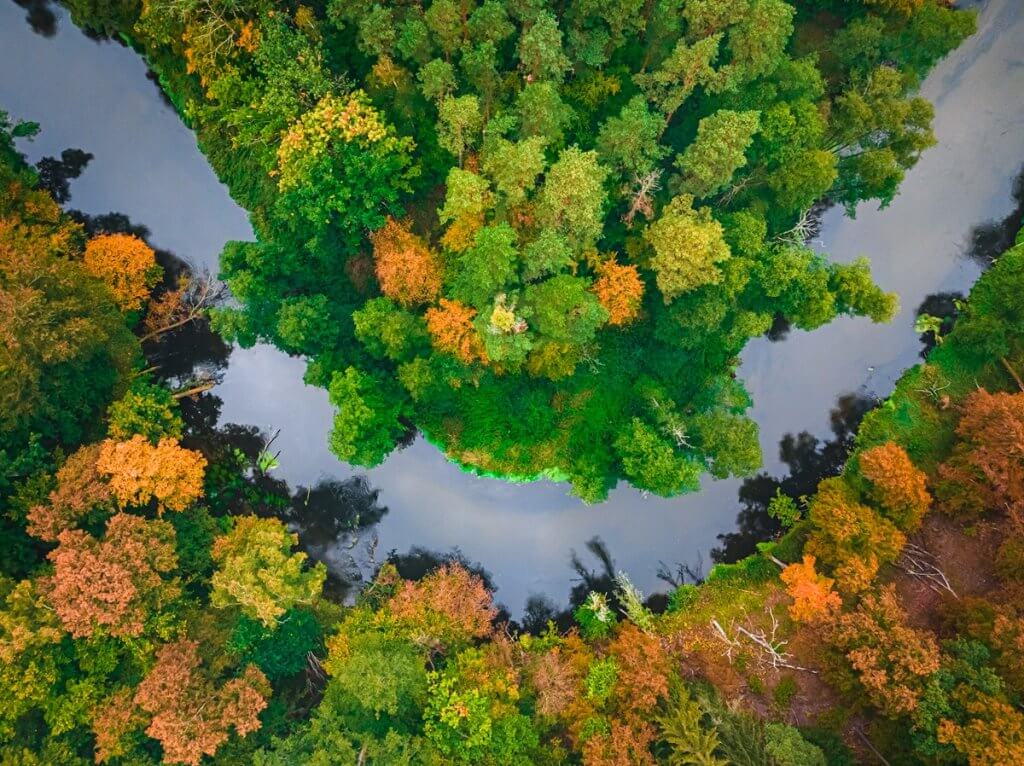
Protecting the South Texas ecosystem is an important part of maintaining the state’s rich biodiversity. From its varied landscapes to its abundant wildlife, Texas is home to an abundance of unique species that require ongoing conservation efforts. The Rio Grande Valley, in particular, features many ecosystems that thrive in its distinctive environment.
Keep reading to discover what makes South Texas wildlife so special and the steps being taken to ensure its natural beauty endures for generations to come.
The Ecoregions of Texas
Texas has diverse ecoregions with different vegetation, geography, and wildlife. From the rocky mountains of the Trans-Pecos region to the piney woods of East Texas, this state is a living testament to natural variety. Below are the major Texas ecoregions:
- Piney Woods – Located in the eastern part of the state, the Piney Woods region is characterized by dense oak, hickory, and towering pine forests.
- Post Oak Savannah – Just west of Piney Woods, Post Oak Savannah is a transitional zone combining woodlands and grasslands.
- Blackland Prairies — Further west, the Blackland Prairies span central Texas. Known for their rich, fertile soils, these prairies once supported vast grasslands, making them ideal for agriculture.
- Edwards Plateau (Hill Country) – The Edwards Plateau, also known as Texas Hill Country, is a rocky region characterized by limestone hills, springs, and rivers, found in Central Texas.
- Rolling Plains – The Rolling Plains is located in the western half of the state. This region is marked by gently rolling hills with scattered mesquite trees and grasses.
- High Plains – The High Plains cover much of the Texas Panhandle, with its flat, expansive grasslands and dramatic cliffs that rise from the canyons.
- Trans-Pecos – The Trans-Pecos region in far western Texas presents a dramatic desert landscape. This is the state’s most rugged and remote ecoregion, with towering mountain ranges, arid valleys, and desert flora, home to Big Bend National Park.
- South Texas Plains – Stretching from San Antonio to the Rio Grande River in Southern Texas, the South Texas Plains are recognized by their brushy terrain and semi-arid conditions.
- Gulf Prairies and Marshes – The Texas coastline along the Gulf of Mexico forms the Gulf Prairies and Marshes ecoregion. This region is covered by coastal grasslands, wetlands, and marshes that serve as a vital habitat for marine and bird species.
The South Texas Climate
South Texas has a distinctive semi-arid hot and dry climate, especially in the summer months. Summers in Texas are marked by extreme heat, with temperatures regularly increasing in July and August. Winters are mild, making the region habitable year-round despite the summer’s intensity. Occasionally, moisture from the Gulf of Mexico visits the area, resulting in occasional rainfall that nourishes the landscape and sustains local ecosystems.
Along the coastline, the climate becomes more subtropical, influenced by the Gulf’s breezes, which regulate temperatures and provide more consistent humidity. However, inland in the Lower Rio Grande Valley, the dryness intensifies, with precipitation averaging between 16 and 28 inches annually, mostly during the warmer months. Thunderstorms and tropical systems occasionally bring rain, but droughts are common.
Wildlife Common to the Rio Grande Valley
The Rio Grande Valley ecosystem is a collection of biodiversity with a unique blend of species. This is thanks to its geographical location at the crossroads of North and South America. Here’s a breakdown of the animals commonly found in this wildlife corridor, according to the Texas Parks and Wildlife Department (TPWD):
Mammals
- White-tailed deer
- Coyote
- Ocelot
- Javelina
- Bobcat
- Mexican free-tailed bat
- Eastern cottontail rabbit
Birds
- Green jay
- Chachalaca
- Altamira oriole
- Harris’s hawk
- Great kiskadee
- Wild turkey
- Tropical parula
- Crested caracara
Fish
- Largemouth bass
- Rio Grande perch
- Red drum
- Catfish
- Tilapia
Amphibians and Reptiles
- Texas horned lizard
- Rio Grande chirping frog
- American alligator
- Texas spiny lizard
- Western diamondback rattlesnake
The RGV’s Commitment to Nature
The Rio Grande Valley community is deeply connected to nature, and the region offers a wide range of outdoor activities celebrating its unique environment. The region draws nature enthusiasts from across America and beyond for high-quality wildlife watching. The World Birding Center is a major attraction here, featuring tropical birds and wildlife-related activities.
As a nature lover, you can explore national parks like the Laguna Atascosa National Wildlife Refuge and enjoy its vibrant landscapes conserved by the U.S. Fish and Wildlife Service. Whether kayaking along the San Antonio River or birdwatching in the lush greenery, the Rio Grande Valley embraces nature at every turn, making it a must-visit for outdoor enthusiasts and conservationists.
Support Us in Protecting and Preserving the Rio Grande Valley’s Wildlife
Supporting the Rio Grande Valley’s natural treasures goes beyond conservation. It preserves a way of life. With continued efforts from individuals and communities, we can ensure the region’s wildlife and outdoor beauty thrive for years.
Ready to make an impact? Join us at Las Huellas and get involved in the Rio Grande Valley ecosystem conservation initiatives and outdoor activities today. Together, we can protect the rich biodiversity and vibrant landscapes that make South Texas wildlife conservation special.