
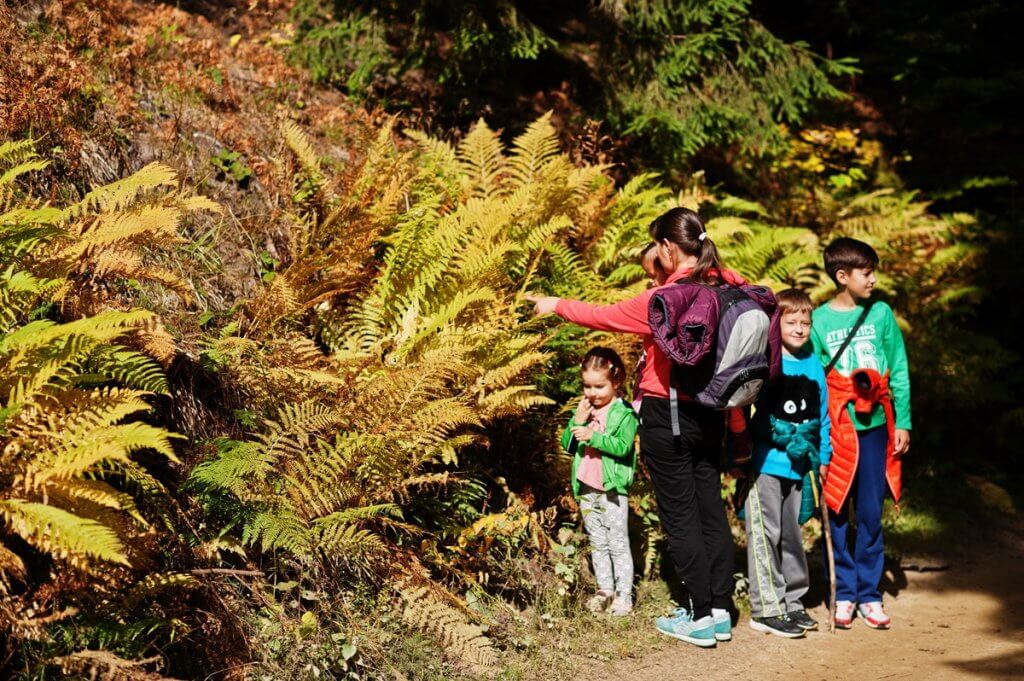
Conservation involves learning ways to minimize waste and protect natural ecosystems. Although kids are natural learners, these concepts can be tricky to understand. Even though they may practice environmentally friendly behaviors like turning off the faucet, they may not understand why these actions matter.
The best way to teach kids about complex concepts like wildlife preservation, climate protection, and environmental laws is to simplify them into small, everyday tasks. Read on to learn how you can teach your kids about conservation in a way that’s accessible and memorable.
Why Is It Important to Teach Kids About Conservation?
When kids believe they can make important decisions that positively contribute to their community, they feel inspired and empowered. This feeling lays the foundation for them to become environmentally conscious adults and citizens who can actively bring about positive change wherever they are.
Some additional benefits of conservation education include:
- Conservation education helps kids understand how frail natural ecosystems can be
- It helps them to become responsible environmentalists
- Conservation education helps to develop critical thinking skills
- Through conservation education, kids can connect with nature in different ways
- Conservation education helps to improve academic excellence
How Early Should You Teach Kids About Conservation?
Because every child is different, there isn’t a specific age to start teaching your kids about conservation. However, teaching them at a very young age can help them learn faster. It also makes it easier for them to build these character traits. So, at what age should you learn about conservation? The answer is as early as possible.
How Do You Teach Conservation to Kids?
Ever wondered, “How do you teach conservation to young kids?” We’ve got you covered! Here are four simple steps you can take to make learning fun.
Connect with Conservation Academies
Enrolling your kid in a conservation academy/class allows them to learn from trained teachers in a gentle environment.
Use Everyday Tasks
You can create relatable, fun, simple activities that make it easier for your kids to learn about conservation behaviors. For example, encourage your kids to use both sides of their drawing paper, turn off all bulbs during the day, and properly dispose of waste at home.
Provide Model Behaviors
Kids emulate the behaviors they are surrounded with. It pays to provide practical behaviors (at home and in public) that help them reinforce these lessons. For example, set up a bin in the car and upcycle used materials.
Break Big Ideas Down
Using large, superficial phrases like, “Save the environment,” is not the most useful idea when teaching conservation to kids. This approach makes it harder for children to understand the importance and urgency behind the movement.
Instead, look for teachable moments that help them understand the different ways conservation comes into play in their lives. For example, what does wildlife conservation mean? How do you protect natural habitats? How can you make eco-conscious decisions every day?
What Are Some Conservation Activities for Kids?
One of the best ways to teach kids about conservation is to organize fun activities for them to enjoy. These conservation adventures can form lasting memories that can help shape your child into an eco-conscious adult. Some fun conservation activities kids can participate in include:
Litter Hike: Litter can cause severe harm when it accumulates, but kids may not yet understand why it’s important to dispose of trash properly. By picking up litter, you can demonstrate how easily trash piles up, especially in areas where it’s not easily visible.
Survey Neighborhood Wildlife: A great way to start teaching kids about conservation is with your immediate environment. Go on a neighborhood hike with your child and help them create a scrapbook of all the natural animals they see. Not only is this research fun, but it also helps you bond with your child in the process.
Build a Compost Bin: A compost bin is a practical way to help kids visualize how much waste a person can generate. This allows them to quantify how everyday activities can create harmful waste if not disposed of properly. You can also discuss how the results impact the environment and what you can do to improve the outcomes.
Support Conservation Education with Las Huellas
At Las Huellas, we passionately advocate for conservation education and the rights of wildlife managers and landowners. We help kids and everyday folk understand the many hidden parts that create ecological balance and wildlife protection.
Learning about conservation doesn’t have to be complex. We partner with various local and international organizations to teach and support conservation efforts. You can do your part to support wildlife conservation in South Texas with a donation or learn more about becoming a Las Huellas partner.